


How to Walk a Dog That Pulls: Real‑World Tips From Dog Sitting Virginia Beach


Dog walking should feel calm and enjoyable, but an excited dog can turn a simple walk into a tug‑of‑war. In Virginia Beach — especially around Ocean Lakes, Dam Neck Road, General Booth Blvd, Nimmo Parkway, and Upton Drive — you see all kinds of dogs, and many of them pull for one simple reason: excitement.
Some dogs pull because they see something interesting. Some pull because the environment is busy. Some pull because they’ve learned that pulling gets them where they want to go faster. No matter the reason, pulling is something you can improve with the right approach.
Why Dogs Pull
Most pulling isn’t about dominance or misbehavior — it’s about emotion and momentum.
Dogs pull because:
Something caught their attention
They’re excited
They’ve never learned leash pressure
They’re following a scent
They want to move faster
They’re reacting to dogs, people, or wildlife
Pulling becomes a habit because it works. If a dog learns that pulling gets them closer to the smell, the squirrel, or the direction they want to go, they’ll keep doing it.
A Real Example: Brendan in Ocean Lakes
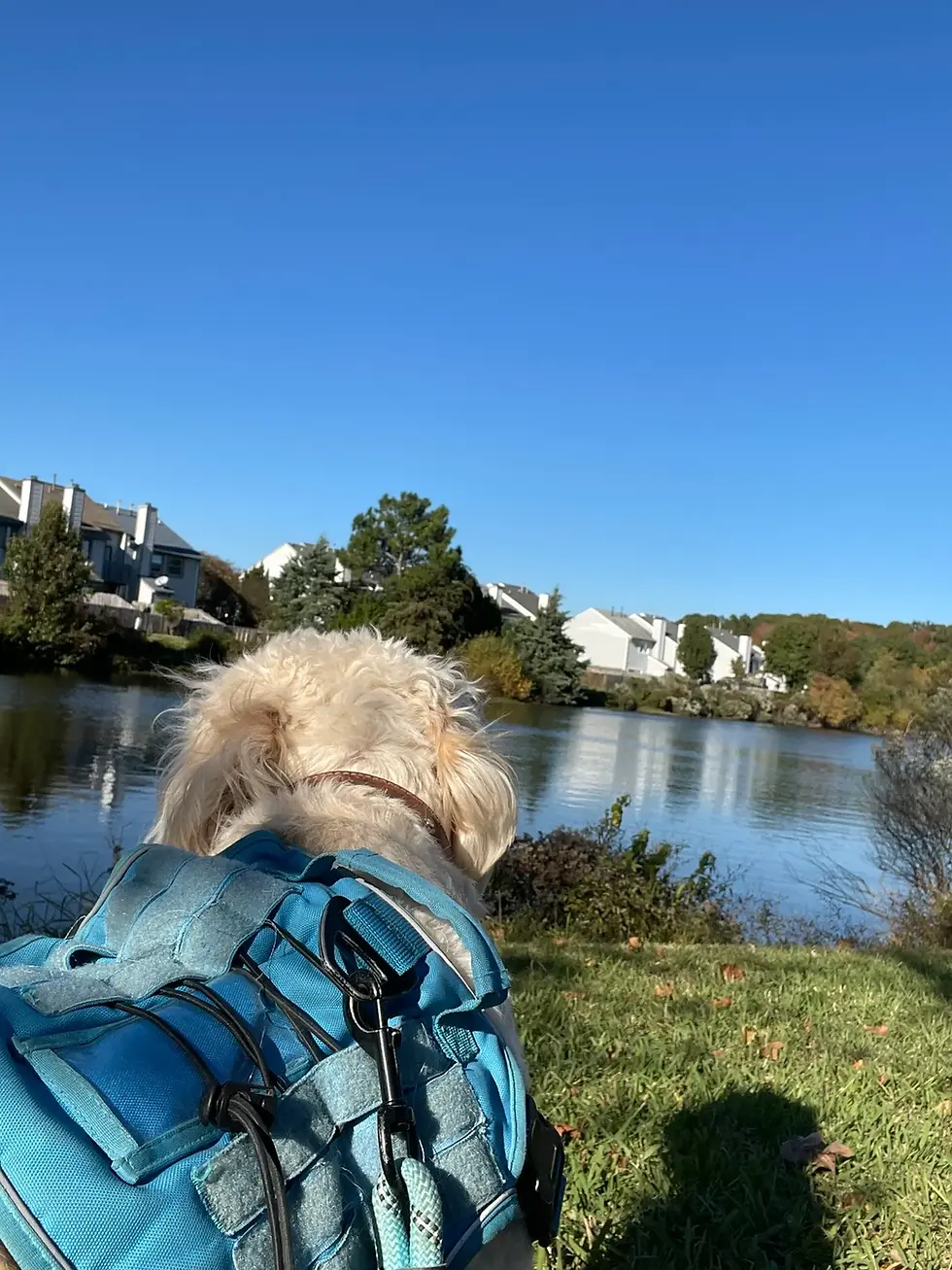
Brendan is a golden doodle who walks around Ocean Lakes. His pulling is pure excitement‑driven leash pressure — his brain says, “Ooh! Something interesting!” and his body follows.
He wears a blue tactical dog harness vest, which gives good control and keeps him comfortable. When he gets excited, the first step is simple:
Freeze your feet. Stop all forward movement instantly.
Stopping forward motion removes the reward. Brendan quickly learns that:
Loose leash = walk continues
Tight leash = walk pauses
Once he settles — which he does after a few minutes — the walk becomes smoother and more enjoyable.
Equipment That Helps
Not every dog needs fancy gear, but the right setup can make a big difference.
For strong or excited pullers, tools listed below can really help:
Tactical harnesses
Front‑clip harnesses
Head halters
Martingales
The goal isn’t to overpower the dog — it’s to give them a clearer, safer structure.
Handling Excitement Pulling
Excitement pulling is one of the most common patterns in dog walking Virginia Beach. You see it everywhere — Ocean Lakes loops, Dam Neck Road sidewalks, General Booth Blvd side paths, Nimmo Parkway trails, and Upton Drive neighborhoods.
Here’s what helps:
Stop instantly when the leash gets tight
Wait for the dog to settle
Reward the loose leash by moving forward
Use predictable routes to build consistency
Give the dog a moment to sniff and decompress when appropriate
Dogs learn fast when the rules stay the same.
Why Consistency Matters
Pulling doesn’t disappear overnight. It improves through repetition.
If one person allows pulling, another stops, and another changes direction, the dog gets mixed messages. But when the rules stay consistent — stop for tension, move for looseness — the dog starts to understand the pattern.
Small improvements add up.
What Professional Dog Walkers Look For
When walking a dog that pulls, we pay attention to:
What the dog pulls toward
When the pulling starts
How quickly the dog recovers
Whether the dog can respond once excited
Equipment fit
Route choice
Environmental triggers
Safety concerns
Good dog walking is about understanding what the dog is practicing — and whether the walk is rewarding the behavior we want or the behavior we’re trying to reduce.
Final Thoughts
If your dog pulls, start by watching the pattern:
What happens right before the leash gets tight?
What does your dog want in that moment?
Does pulling get them closer to that reward?
Once you understand the “why,” you can choose better equipment, better routes, and a clearer handling plan.
Dog walking in Virginia Beach — especially around Ocean Lakes, Dam Neck Road, General Booth Blvd, Nimmo Parkway, and Upton Drive — is full of excitement for dogs. With structure and consistency, even the most enthusiastic pullers can learn to walk calmly and comfortably.
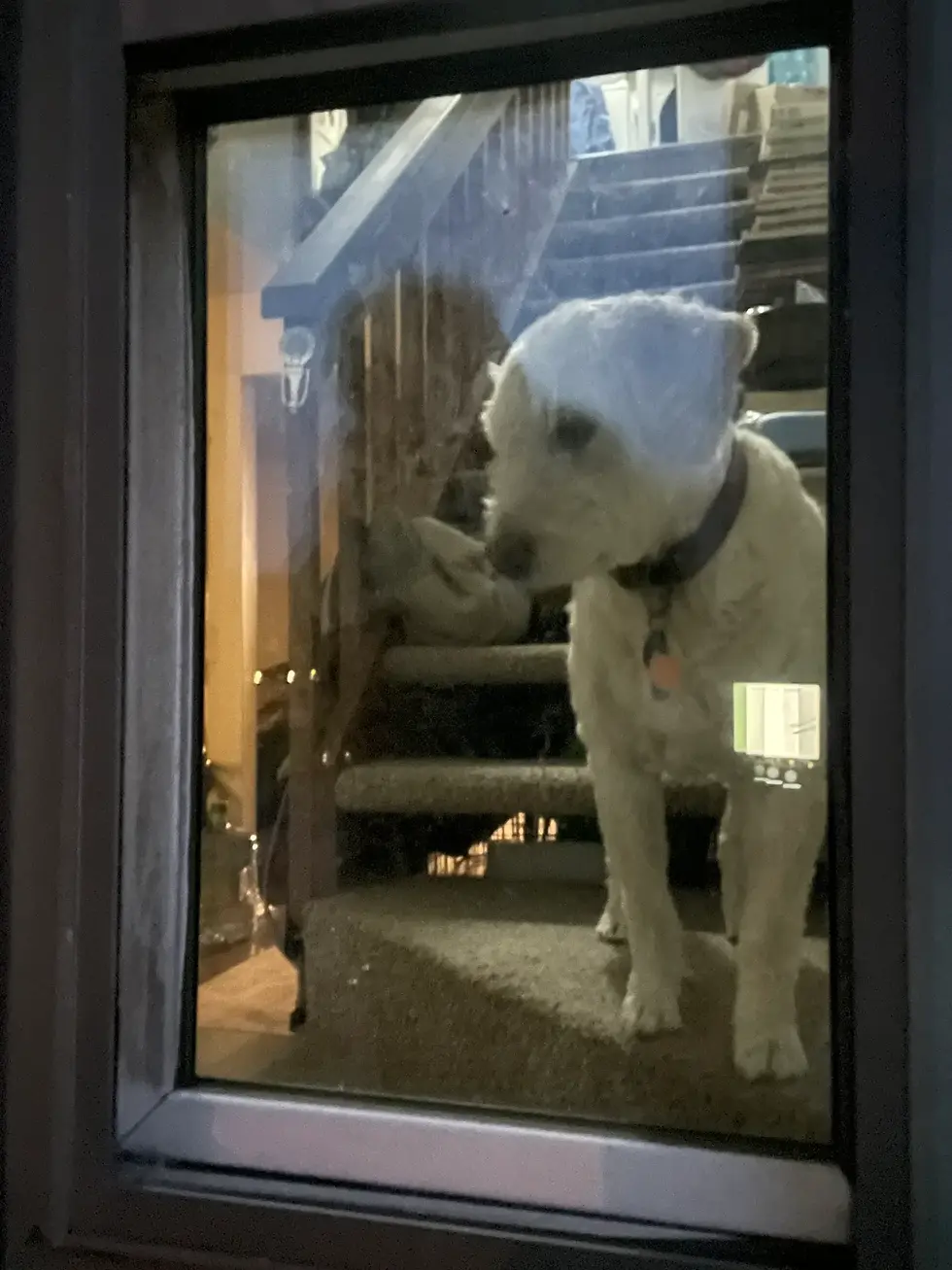
Need help with a dog that pulls? I walk dogs daily in Ocean Lakes and nearby neighborhoods — reach out anytime.


Comments