top of page

Winter in Virginia Beach is unpredictable. One morning feels mild enough for a light jacket, and the next brings a sharp, damp cold that cuts straight through layers. For dogs, these sudden cold snaps can be more stressful and uncomfortable than many owners realize. As someone who provides dog sitting, pet sitting, and dog walking in Virginia Beach every day, I see firsthand how quickly local pups react to temperature swings—especially in Ocean Lakes, Dam Neck Road, General Booth Blvd, and the surrounding 23454 neighborhoods.


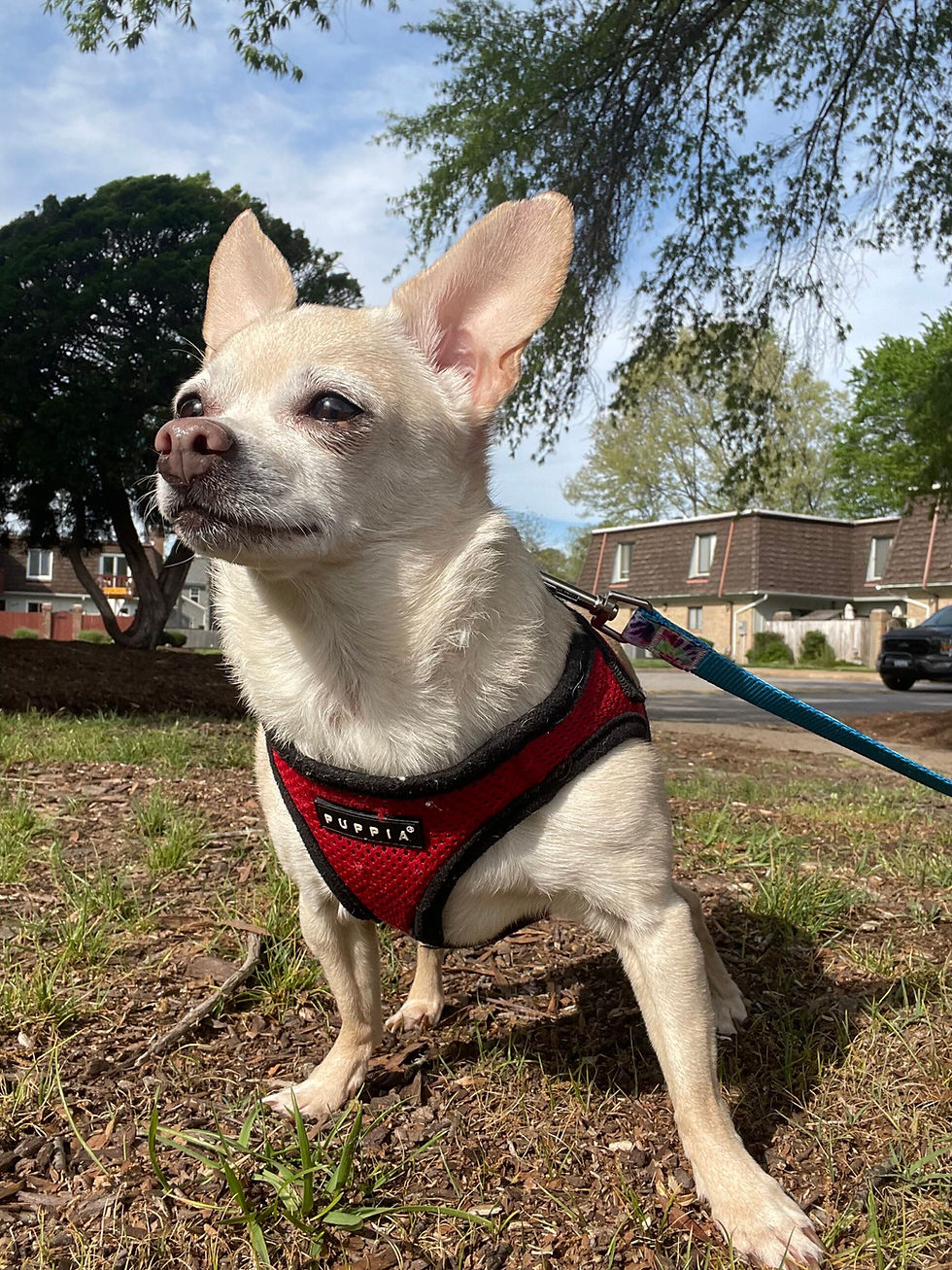
Short‑haired mixed‑breed dogs walking during a cold snap in Ocean Lakes 23454 with Dog Sitting Virginia Beach.

Why Cold Snaps Matter More Than We Think


Virginia Beach winters are mild compared to other parts of the country, but the pattern is what makes them tricky. We don’t get long stretches of consistent cold. Instead, we get warm days followed by sudden drops—sometimes 20 degrees or more overnight.

Dogs rely on routine, including temperature consistency. When the weather swings quickly:


  • Their paws become more sensitive

  • Their joints stiffen faster

  • Their energy levels shift

  • Their tolerance for longer walks decreases


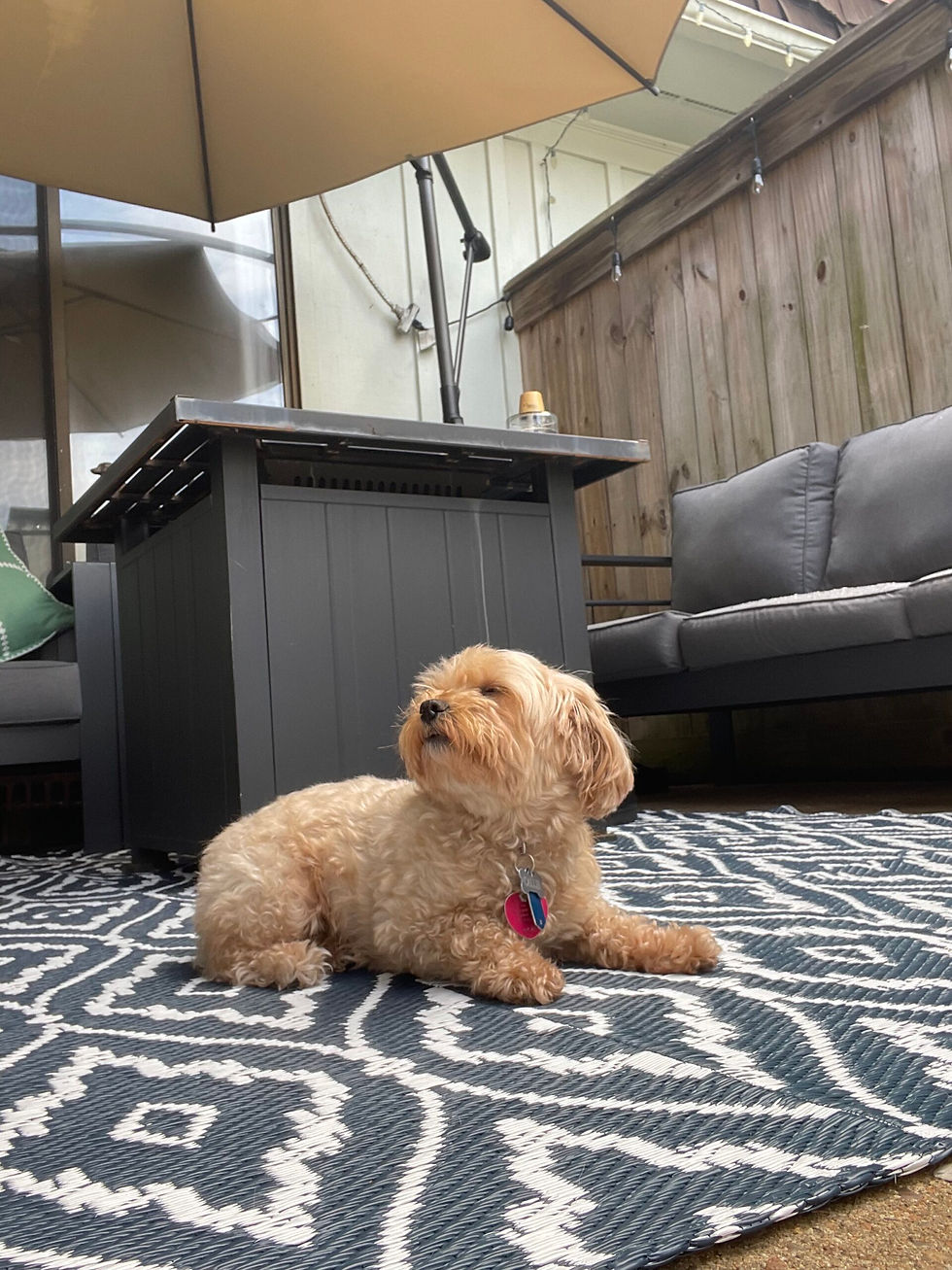
Ruby and Frankie, who live in my calm, home‑based environment, show this clearly. On mild days, they’re relaxed and eager for long walks. But when a cold snap hits, their pace slows, their posture changes, and they look for sheltered areas along Ocean Lakes Drive or the quieter pockets near Dam Neck Road.


“It’s Not That Cold” Thinking — Why It Misleads Dog Owners


Humans and dogs don’t experience cold the same way. We have layers, gloves, boots, and the ability to rationalize discomfort. Dogs rely on instinct and physical cues.


Human vs. Canine Temperature Perception

A breezy 45‑degree day might feel fine to you, but for a short‑haired dog, a senior dog, or a small breed, that same temperature—especially with wind—can feel harsh.


Breeds That Struggle Most

In Virginia Beach, I see the biggest cold‑snap impact on:

  • Pit bulls and bully breeds

  • Chihuahuas and small breeds

  • Greyhounds and whippets

  • Senior dogs with arthritis

  • Dogs with thin coats or low body fat


Wind Chill Changes Everything

Areas like Nimmo Parkway, Upton Drive, and the open stretches near General Booth Blvd funnel wind in a way that makes a mild day feel dramatically colder. Dogs walking those routes often lift their paws, shiver, or try to pull toward home.


Cold Snap Risks for Local Dogs


Paw Irritation

Cold, wet sidewalks can cause:

  • Cracking

  • Redness

  • Salt irritation


Joint Stiffness

Older dogs in 23454 and 23456 often show stiffness after even short walks during cold snaps.


Short‑Haired Dogs Need Extra Protection

Even a simple dog sweater can make a noticeable difference.


Real Examples From Ruby and Frankie

On cold‑snap mornings, Ruby prefers shorter, more focused walks. Frankie, who normally loves long routes, slows down and seeks sheltered areas. Their behavior mirrors what I see in many client dogs across Blairmore Drive, Holland Road, and First Colonial Road.


Senior beagle lifting a paw during a cold dog walk near General Booth Blvd 23454 with Dog Sitting Virginia Beach.

How Professional Dog Walking Supports Dogs During Cold Snaps


Adjusting Walk Length and Pace

During cold snaps, I shorten walks slightly but increase structure—more sniff breaks, more mental engagement, and a steady pace to keep dogs warm.


Choosing Sheltered Routes

Blairmore Drive, Holland Road, and certain pockets of Ocean Lakes offer natural wind breaks.


When Drop‑In Visits Are Safer

On extremely cold days, drop‑in visits in 23454 are often better than long outdoor walks.


Maintaining Routine

Even when the weather shifts, dogs still need consistency. That’s where dog walking near Ocean Lakes becomes essential.


Winter Safety Tips for Dog Owners in Virginia Beach


  • Check pavement temperature

  • Use proper layering

  • Add indoor enrichment

  • Consider pet sitting in Virginia Beach for midday support


When Dog Boarding Helps During Extreme Cold


If you’re traveling during a cold snap, dog boarding in Virginia Beach provides a warm, calm, home‑based environment. Dogs stay comfortable, follow predictable routines, and avoid the stress of sudden temperature swings.

Ruby and Frankie help create that peaceful atmosphere—steady energy, familiar rhythms, and a cozy home where dogs settle in easily.


Two dachshunds sleeping together in a cozy bed during a cold snap in Virginia Beach 23454 while receiving in‑home dog boarding care.

Final Winter Care Reminders


  • Watch for shivering or paw lifting

  • Keep routines predictable

  • Use layers for short‑haired or senior dogs

  • Choose sheltered routes

  • Lean on trusted local support


Cold snaps may be brief, but they can be tough on dogs—especially in our coastal climate.


If your dog needs reliable dog walking or midday drop‑in visits in Ocean Lakes or anywhere throughout the 23454 area, you’re welcome to reach out through the homepage or schedule directly through my Rover profile — I’d be glad to look after your pup this winter.


Rover Profile: View My Rover Page

Cold, windy, and wet winter weekends in Virginia Beach can shift quickly — especially around Ocean Lakes Drive, Dam Neck Road, General Booth Blvd, Nimmo Parkway, and Upton Drive. One hour it’s cloudy and calm, and the next the wind is pushing 40–60 km/h with freezing temperatures, flurries, or heavy rain. When your dog’s routine includes daily walks or drop‑in visits, these conditions matter.


As someone who provides dog walking in Virginia Beach and drop‑in visits in 23454, my focus is always on structure, safety, and calm pacing. This guide walks you through how I keep dogs safe during harsh winter weather and how you can support your pup at home.


Two dogs sitting on a wooden deck in front of a backyard shed in Virginia Beach 23454, including the same tan dog from earlier, calmly waiting during a cold winter afternoon.

Understanding Winter Weekend Weather in 23454

This weekend brings a mix of freezing temperatures, strong winds, scattered flurries, and heavy rain. In exposed areas like Ocean Lakes Drive and Upton Drive, wind gusts can feel even stronger. Along Dam Neck Road and General Booth Blvd, wet pavement and traffic spray can make conditions slippery and uncomfortable for dogs.


These conditions don’t mean your dog has to skip their routine — but they do mean adjusting how long we stay outside, how we pace the walk, and when a drop‑in visit is the safer choice.


How Cold, Wind, and Wet Conditions Affect Your Dog


Cold Temperatures & Wind Chill

Even if the temperature reads 6–7°C, wind chill can make it feel closer to freezing. Dogs with short coats, seniors, and small breeds feel this quickly. During a 30–60 minute walk — which is how most dog walking near Ocean Lakes is structured — pacing and monitoring become essential.


High Winds in Ocean Lakes & Dam Neck Road

Strong winds can blow sand, leaves, and debris into a dog’s face. Calm handling and route adjustments help keep dogs comfortable.


Wet Conditions on General Booth Blvd & Nimmo Parkway

Rain and wet pavement can lead to slippery sidewalks and damp coats. After the walk, I always ensure dogs are towel‑dried and settled before I leave.


Coonhound standing with paws up on a backyard fence in Virginia Beach 23454, watching the approaching winter storm with strong winds and flurries.

How I Keep Dogs Safe During Winter Dog Walking


95% of the Walk Happens Outdoors — Here’s How I Manage It

Most walks are 30–60 minutes, and about 95% of that time is spent outside. That means safety planning starts before we even step out the door. I choose routes based on wind direction, sidewalk conditions, and neighborhood layout.


Hydration checks still matter in winter, and I monitor body language throughout the walk. If conditions worsen — heavy rain, icy patches, or sudden wind gusts — I shorten the route and shift to a calmer pace.


The 5% Indoors: Leashing Up & Post‑Walk Routine


Once we return, I refresh water, check paws, and make sure your dog is comfortable before I leave.


When a Drop‑In Visit Is the Safer Choice


What a Drop‑In Includes


A drop‑in visit includes:

  • Backyard potty break

  • Water top‑up

  • Food top‑up if needed

  • Medication (if applicable)

  • Accident check and cleanup

  • Light play or comfort time


When Drop‑Ins Are Better Than Walks

  • Heavy rain or mixed precipitation

  • Strong wind gusts

  • Icy sidewalks

  • Senior dogs or small breeds

  • Dogs recovering from injury


If the weather shifts suddenly — which happens often in Virginia Beach — I can adjust your booking from a walk to a drop‑in for safety.


Two dogs sitting on a wooden deck in front of a backyard shed in Virginia Beach 23454, including the same tan dog from earlier, calmly waiting during a cold winter afternoon.

Final Thoughts

Winter weekends in Virginia Beach can be unpredictable, but your dog’s routine doesn’t have to be. With structured planning, calm handling, and flexible service options, your pup stays safe, comfortable, and supported — no matter what the weather brings.


If your pup needs dog walking, or drop‑in visits in Ocean Lakes or anywhere in the 23454 area and surrounding neighbourhoods, you can reach me directly through the homepage or book through my Rover profile — I’d love to care for your pup this winter.


Rover Profile: View My Rover Page

When your work schedule changes — whether it’s a new job, a promotion, or a shift in hours — your dog feels that transition just as much as you do. And when the weather turns rainy, like it did across Ocean Lakes Drive, Red Mill, and Upton Drive this week, those changes can feel even bigger for your pup.


Boston terrier in a rain jacket walking in wet weather near Red Mill 23454 during a dog walking visit with Dog Sitting Virginia Beach.

Rainy days often disrupt walking routines, shorten outdoor time, and make dogs more sensitive to shifts in your schedule. As a calm, boutique provider of dog sitting in Virginia Beach, I see how weather and routine changes combine to affect a dog’s confidence and comfort.


Ruby and Frankie, who spend their days in a structured, peaceful environment here in Ocean Lakes, remind me daily how much dogs rely on predictable rhythms — especially during wet, gloomy weeks like this one.


Let’s walk through how to support your dog through both schedule changes and rainy‑day disruptions.


Why Rainy Weeks Make Routine Changes Harder for Dogs


Dogs thrive on consistency. When your work hours shift and the weather keeps them indoors more than usual, they can feel unsure about what comes next.


In neighborhoods like Dam Neck Road, General Booth Blvd, Nimmo Parkway, and Upton Drive, many families work rotating shifts, military schedules, or long days. Add several days of rain, and dogs often experience:


  • Less outdoor exercise

  • Shorter walks

  • More pent‑up energy

  • Increased sensitivity to your departures

  • Difficulty settling into the new routine


A rainy week doesn’t have to derail your dog’s confidence — but it does mean they need a little extra structure and reassurance.


Dachshund in a yellow raincoat walking in the rain along Ocean Lakes Drive 23454 during a dog walking visit with Dog Sitting Virginia Beach.

Signs Your Dog May Be Struggling With Your New Routine


Increased Anxiety or Restlessness

Rainy weather often amplifies pacing, whining, or following you around before you leave.


Changes in Eating or Sleeping Patterns

Dogs in quieter areas like Nimmo Parkway or Upton Drive may sleep more during rainy days, then become restless when you return.


Regression in House Training

Wet yards and reduced outdoor time can make potty routines inconsistent.


Clinginess After You Return Home

Your dog may stick close, unsure when you’ll leave again — especially after a long, rainy day indoors.


How to Prepare Your Dog Before Your New Work Schedule Starts


Gradually Adjust Feeding and Walking Times

Shift routines by 10–15 minutes each day. This helps your dog adapt even when rain limits outdoor time.


Practice Short Departures

Leave for a few minutes at a time, even on rainy days. This builds confidence and reduces separation anxiety.


Create a Calm Morning Routine

A structured, peaceful start — like the one Ruby and Frankie enjoy here in Ocean Lakes — helps your dog feel grounded before you leave.


Use Indoor Enrichment on Rainy Days

Puzzle feeders, snuffle mats, and lick mats help replace outdoor stimulation when the weather keeps you inside.


Support Options for Dogs During Your New Work Hours


Midday Dog Walking for Routine Stability

Even during rainy weeks, a structured midday walk helps your dog stay balanced. Many families rely on dog walking near Ocean Lakes to maintain routine when work hours shift.


Drop‑In Visits for Dogs Who Need Extra Comfort

If your dog struggles with long alone time — especially on rainy days — drop‑in visits in 23454 provide reassurance, potty breaks, and a calm presence.


In‑Home Dog Sitting for Longer Shifts

For dogs who need more support, dog sitting in Virginia Beach offers a structured, familiar environment without the stress of a busy facility.


How a Calm, Home‑Based Environment Helps Dogs Adjust


Some dogs benefit from spending time in a quiet, structured home environment — especially during rainy weeks when outdoor time is limited. Here in Ocean Lakes, Ruby and Frankie enjoy:


  • Predictable feeding and potty times

  • Low noise

  • Gentle enrichment

  • A peaceful indoor routine


This same structure is what makes dog boarding in Virginia Beach so helpful for dogs who need extra stability during major schedule changes.


Nearby areas like Blairmore Drive and Great Neck Road often see increased demand for calm, home‑based care during rainy weeks and seasonal job transitions.


Dachshund in a rain jacket walking at a park off Upton Drive 23454 during a rainy day dog walking visit with Dog Sitting Virginia Beach.

Final Tips for a Smooth Transition


  • Keep departures calm and consistent

  • Maintain predictable feeding and walking times

  • Use indoor enrichment on rainy days

  • Avoid big emotional greetings when you return

  • Consider professional support during the first few weeks


With structure, patience, and the right support, your dog can adjust beautifully — even during a rainy week in Virginia Beach.


If your pup needs dog sitting, dog walking, or drop‑in visits in Ocean Lakes or anywhere in the 23454 area, you can contact me directly through the homepage or book through my Rover profile — I’d love to care for your pup this winter.


Rover Profile: View My Rover Page


Tips & Tails the Dog Blog

Pet Care in Virginia Beach - Best Practices  

Stay tuned for updates! We regularly refresh our content with insights on pet care, dog walking, and local tips. Got a topic in mind? We’d love to hear from you—reach out and share your ideas!

Anchor 1

Hours To Call Direct

Mon - Fri - 8am - 5pm

Sat - Sun - 9am - 2pm

Dog Sitting logo featuring a charming beach-themed design, representing personalized pet care services in Virginia Beach.

Pick-up & Drop-off Areas    -    Virginia Beach    -    Norfolk    -    Chesapeake

Dog Sitting logo featuring a charming beach-themed design, representing personalized pet care services in Virginia Beach.

Pick-up & Drop-off Areas    -    Virginia Beach    -    Norfolk    -    Chesapeake

Hours To Call Direct

Mon Fri: 8 AM 5 PM 

Sat Sun: 9 AM  5 PM

Call/Text: (757) 6217314

bottom of page