top of page

Virginia Beach summers get hot fast — especially in Ocean Lakes, where humidity builds early and lingers all day. For thick‑coated dogs like Millie, a 5‑year‑old Pembroke Welsh Corgi I’ve cared for since last year, that heat can become overwhelming during traditional walks. Her dense double coat traps warmth, making it harder for her to cool down once she’s outside.


That’s why drop‑in visits become the safer, smarter option during the hottest months. They allow dogs to enjoy short, structured outdoor time while still benefiting from the comfort of modern air conditioning indoors.


Why Walks Become Risky in Summer Heat


Even early in the day, pavement temperatures rise quickly. Thick‑coated dogs retain heat longer, and once they start panting heavily, it becomes difficult for them to cool down. Hydration is another challenge — dogs don’t always drink enough from a travel bowl, even when they need it.


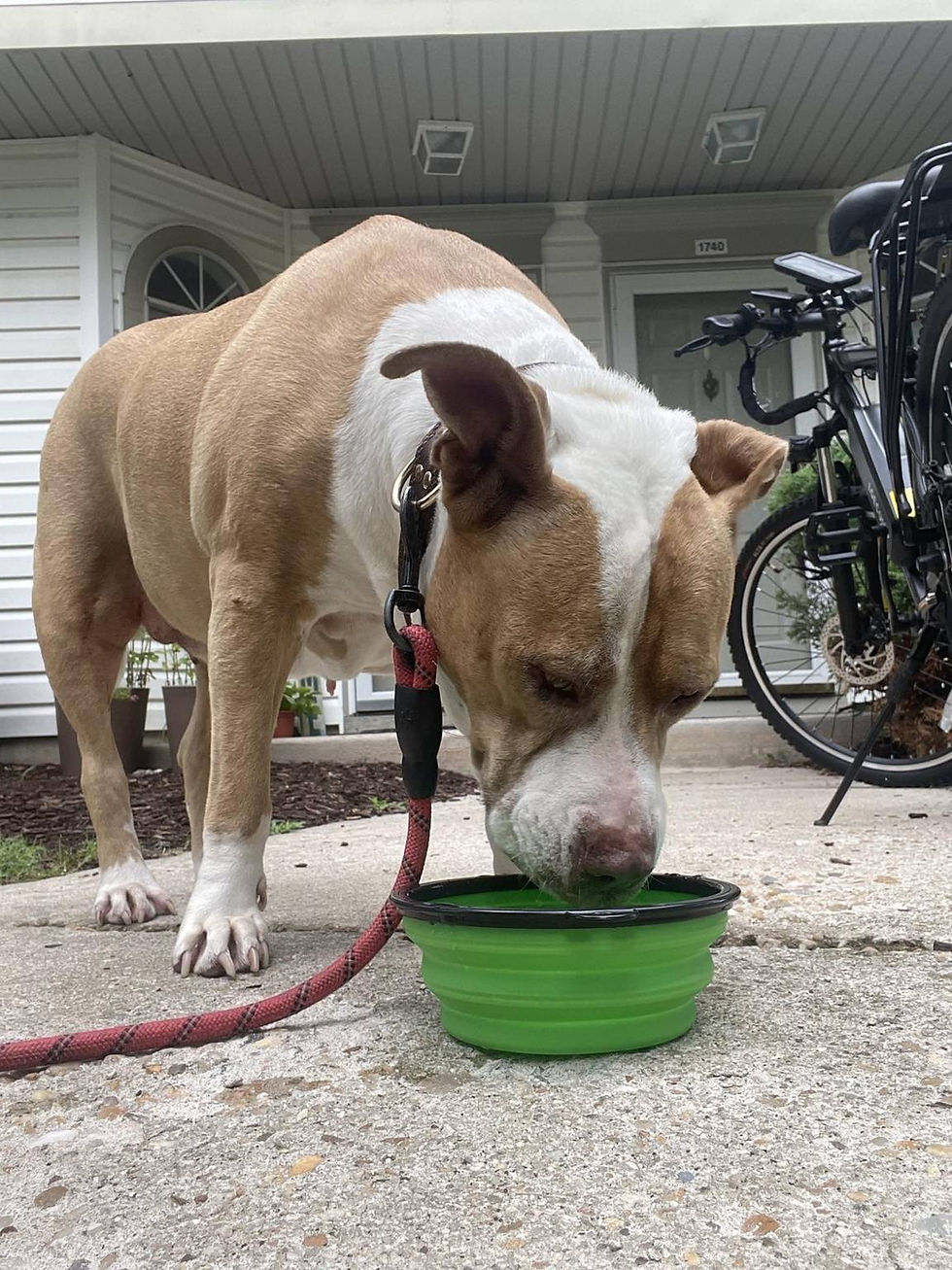
A pitbull drinking from a collapsible travel bowl during a hot‑weather walk, showing how dogs often struggle to stay hydrated outdoors compared to the safer indoor hydration offered during drop‑in visits in Virginia Beach.

This is why relying on long walks in summer heat can be unpredictable. Some dogs drink well on the go; others don’t. And when the humidity spikes, even a short walk can push a thick‑coated dog into discomfort.


Drop‑in visits solve this problem by giving dogs controlled outdoor time paired with immediate access to indoor cooling and fresh water.


Why Drop‑In Visits Are the Safer Summer Option


Drop‑ins offer a balance that walks simply can’t match in hot weather:

  • Short, safe yard time

  • Immediate access to AC

  • Indoor hydration

  • Controlled enrichment

  • One‑on‑one attention

  • Reduced heat exposure

  • Lower risk of paw burns or overheating

For thick‑coated dogs like Millie, this structure makes all the difference.


Millie’s Morning Drop‑In Routine


Millie thrives on a predictable, calm routine — especially in summer.


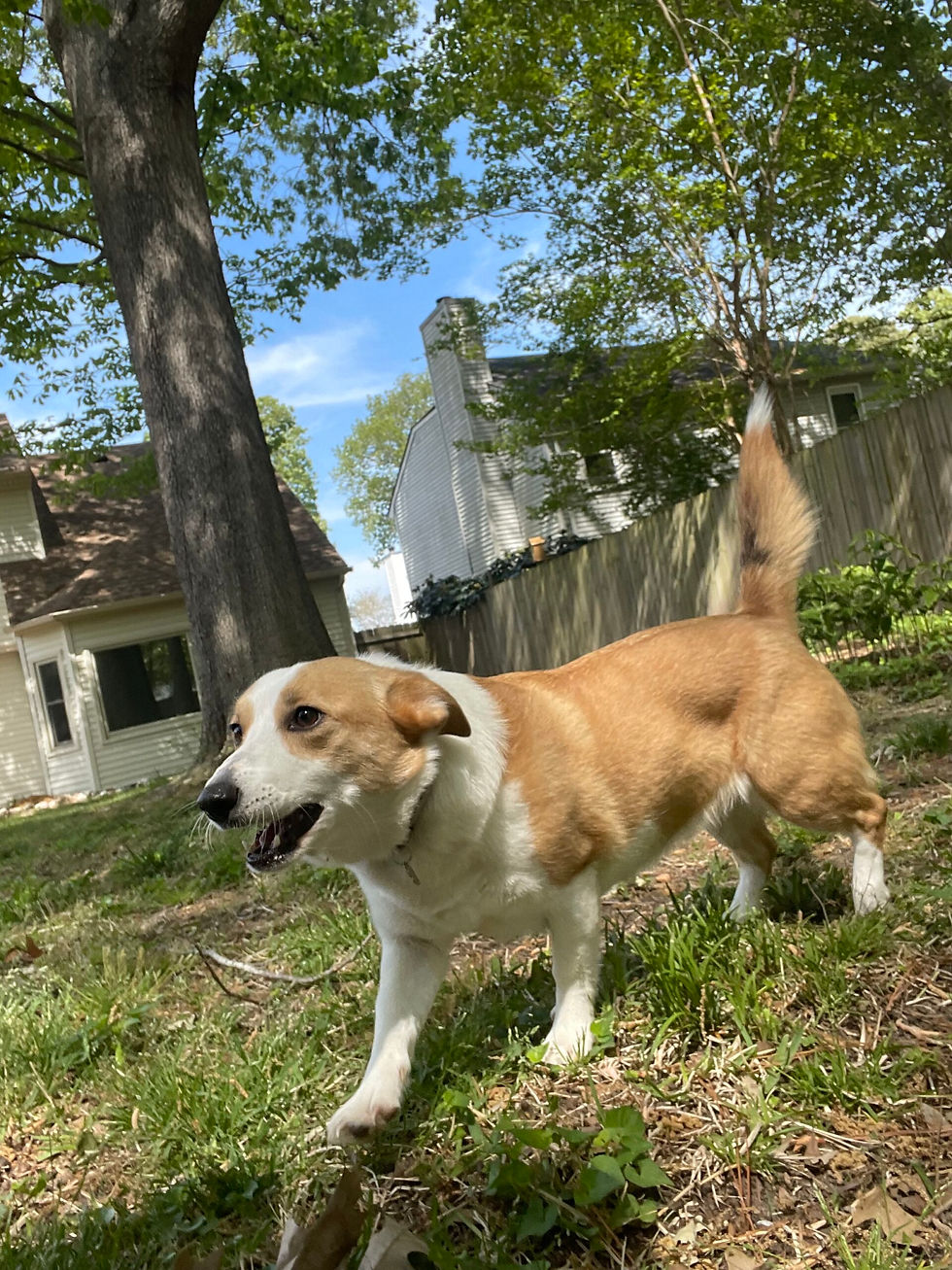
Millie, a 5‑year‑old Pembroke Welsh Corgi with a thick coat, standing in the yard during her morning drop‑in visit in Ocean Lakes 23454, starting her day with safe outdoor time before the heat rises.

When I arrive, we start with a 10‑minute yard session so she and her brother can empty comfortably before the heat builds. After that, we head back inside for light attention and a cool‑down in the AC.


Next comes breakfast. Once they’ve eaten, we head back outside for a short round of frisbee or ball play — just enough to burn off energy without overheating.


a Pembroke Welsh Corgi with a dense double coat, watching her frisbee during a safe, short outdoor play session as part of her structured summer drop‑in routine in Ocean Lakes 23454.

After a few minutes of fun, we return indoors so Millie can settle comfortably until the afternoon visit.


Millie’s Afternoon Routine


Afternoon heat in Ocean Lakes can be intense, so we keep things structured and safe.


Millie, a 30‑lb Pembroke Welsh Corgi, enjoying a short outdoor play session during her afternoon drop‑in visit in Ocean Lakes 23454 before returning inside to cool off in the air conditioning.

We start with a brief yard break, followed by hydration and indoor cool‑down time. If the temperature allows, we add a few minutes of gentle enrichment outside before returning indoors.


This rhythm keeps her comfortable, stimulated, and safe.


Dinner + Evening Drop‑In Routine


In the evening, the routine shifts slightly:

  • Yard time

  • Healthy treats instead of a full meal

  • Extra attention and companionship

  • A final sweep of the home to ensure no accidents


This structure helps Millie wind down and feel secure until her family returns.


Why This Routine Works So Well for Thick‑Coated Dogs


Millie’s routine is built around:

  • Predictability

  • Safety

  • Hydration

  • AC breaks

  • Controlled outdoor time

  • Emotional comfort

  • One‑on‑one attention


For dogs with dense coats, this approach prevents overheating and keeps them relaxed throughout the day.


Who Drop‑In Visits Are Best For


Drop‑ins are ideal for:

  • Thick‑coated breeds (Corgis, Aussies, Huskies, Shelties)

  • Dogs who overheat easily

  • Dogs who dislike long walks in heat

  • Dogs who need AC breaks

  • Dogs who need mid‑day check‑ins

  • Families working long shifts


If your dog fits any of these categories, drop‑ins are the safest summer option.


Final Thoughts

Millie’s routine shows how thoughtful, structured care can keep thick‑coated dogs safe and happy during Virginia Beach summers. With the right balance of outdoor time, AC breaks, hydration, and attention, drop‑in visits offer everything a dog needs to thrive in hot weather.


If your dog has a thick coat like Millie — or just struggles with Virginia Beach’s summer heat — my drop‑in visits offer a safer, cooler, and more comfortable alternative to long walks.


With structured yard time, AC breaks, hydration checks, and one‑on‑one attention, your pup gets everything they need to stay happy and relaxed until you’re home.


If you’re in Ocean Lakes or the 23454/23456 area and want calm, reliable dog sitting or summer drop‑in care, I’d be glad to help keep your dog safe this season.

When you live in Ocean Lakes, long work shifts are part of life. Between early departures for the Dam Neck and Oceana bases, rotating hospital schedules, and the steady rhythm of Virginia Beach hospitality jobs, many pet parents find themselves away from home far longer than they’d like. That’s where a structured, predictable dog walking routine becomes essential — not just for convenience, but for your dog’s emotional wellbeing.


As a boutique, home‑based provider of dog sitting in Virginia Beach, I see the same pattern across Ocean Lakes families: dogs thrive when their day follows a calm, consistent rhythm. And the most effective schedule — the one most of my long‑shift clients use — is a simple three‑visit structure: 7:30am, 2:30pm, and 9:30pm.


Pumpkin, a high‑energy American Staffordshire Terrier–Shih Tzu mix who lives right here in Ocean Lakes, follows a slightly different routine — 10:30am and 5pm — but his story shows exactly why structured walks matter.


Why Visit Frequency Matters for Dogs in Ocean Lakes


Ocean Lakes is a quiet, family‑oriented neighborhood with well‑maintained homes, safe streets, and a strong HOA presence. That structure creates a predictable environment — something dogs naturally respond to. When your dog knows when someone will arrive, when they’ll go outside, and when they’ll settle again, their stress levels drop dramatically.

Routine is especially important in a suburban neighborhood like Ocean Lakes, where many dogs spend their days watching the world through front windows, listening to passing neighbors, and waiting for their family to return. A consistent dog walking routine schedule breaks up that long stretch of waiting and gives them something to look forward to.


The Ideal Daily Dog Walking Schedule for Long Shifts


7:30 AM Visit — Morning Reset & Confidence Boost

Most Ocean Lakes families leave early, especially those commuting toward Dam Neck Road or General Booth Blvd. A 7:30am visit gives your dog a calm, structured start to the day:


  • A potty break before the neighborhood gets busy

  • A short walk along Ocean Lakes Drive or Upton Drive

  • A chance to release morning energy

  • Reduced anxiety as the house transitions from “family time” to “quiet time”


Pumpkin, a 14‑lb American Staffordshire Terrier–Shih Tzu mix, sitting beside his walker during an early‑morning dog walking session by the lakes in Ocean Lakes 23454 with Dog Sitting Virginia Beach.

2:30 PM Visit — Mid‑Day Relief & Enrichment

This is the most important visit of the day for dogs left home alone. By mid‑afternoon, most dogs are:


  • Bored

  • Restless

  • Needing a potty break

  • Looking for stimulation or reassurance


Pumpkin’s afternoon walks are shaded, slow, and structured — perfect for keeping high‑energy dogs calm.


Pumpkin, a high‑energy American Staffordshire Terrier–Shih Tzu mix, standing near the pond during a shaded afternoon dog walking visit in Ocean Lakes 23454 with Dog Sitting Virginia Beach.

9:30 PM Visit — Evening Comfort & Wind‑Down

For families with late shifts, rotating schedules, or long commutes, the evening visit is a game‑changer. A 9:30pm walk:


  • Helps dogs settle before bed

  • Supports senior dogs with nighttime needs

  • Prevents long overnight gaps

  • Reduces anxiety for dogs sensitive to evening noises


Pumpkin, a 1‑year‑old American Staffordshire Terrier–Shih Tzu mix, yawning during an evening wind‑down walk near the lakes in Ocean Lakes 23454 with Dog Sitting Virginia

Choosing the Right Dog Walking Plan in Virginia Beach


When Two Visits Per Day Works


  • Low‑energy adult dogs

  • Senior dogs with stable routines


When Three Visits Per Day Is Best


  • Puppies

  • Anxious dogs

  • Dogs with sensitive stomachs

  • Dogs living near higher‑activity areas like Dam Neck Road (23454 portion)


When to Add Drop‑In Visits


  • PCS move chaos

  • Seasonal schedule changes

  • Unpredictable shift work

  • Dogs needing medication or mid‑meal checks


Safe, Structured Walks in Ocean Lakes & Surrounding Areas


  • Ocean Lakes Drive

  • Dam Neck Road (23454 portion)

  • General Booth Blvd (23454 portion)

  • Nimmo Parkway (23456 portion)

  • Upton Drive (23454 portion)

  • Blairmore Drive

  • Holland Road (23453 portion)

  • Great Neck Road (23454 portion)


Final Thoughts


A structured schedule — whether it’s Pumpkin’s 10:30am and 5pm rhythm or the classic 7:30am → 2:30pm → 9:30pm routine — gives Ocean Lakes dogs the predictability they crave.


FINAL CTA

If you need calm, reliable dog sitting, dog walking, or drop‑in visits in Ocean Lakes or the 23454 area, reach out anytime — I’d be glad to help care for your pup.

Some dogs walk into their first boarding stay ready to explore. Others arrive unsure, observant, and deeply attached to their person. Jack Nicholson — an 8‑year‑old, 8‑lb Chihuahua — is one of those dogs. He’s a classic “one‑person dog,” loyal to the core, and sensitive when routines change.


Small tan Chihuahua named Jack relaxing on the couch with Ruby providing calm comfort during his first dog boarding visit in Ocean Lakes 23454 with Dog Sitting Virginia Beach.

During his meet‑and‑greet at my home in Ocean Lakes, he surprised his owner by settling calmly on the couch, watching the room with quiet curiosity. But like many small, sensitive dogs, Jack struggles when he’s left alone. He cries, he searches, and he feels the weight of separation.


That’s exactly why dog boarding in Virginia Beach works best when it’s calm, structured, and tailored to each dog’s emotional needs — especially for first‑time boarders.


Why First‑Time Boarding Is Hard for Sensitive Dogs

For many dogs, the first boarding stay is a big emotional shift. New smells, new routines, new people — it’s a lot to process. Sensitive dogs, especially small breeds like Chihuahuas, often show:


  • Crying or vocalizing

  • Pacing or trembling

  • Difficulty settling

  • Hyper‑attachment to one person

  • Fearfulness around unfamiliar people


Spring and summer travel can make this even harder. Families are on the move, schedules change, and dogs feel that energy. That’s why a calm, boutique, home‑based environment is so important for first‑timers.


Meet Jack Nicholson: A Small, Sensitive Chihuahua With First‑Time Boarding Anxiety


Jack is the kind of dog who gives his whole heart to one person. He’s gentle, observant, and deeply bonded. When his owner leaves, he cries — not out of misbehavior, but out of genuine emotional overwhelm.


Calm at the Meet‑and‑Greet

At his meet‑and‑greet in Ocean Lakes (23454), Jack surprised everyone. He settled quietly, watched Ruby and Frankie from a safe distance, and showed none of the panic he usually feels when separated. This told me something important:


Jack doesn’t struggle with new environments — he struggles with the moment of separation.

That’s a very different kind of anxiety, and it’s one I support often.


How I Create a Calm, Structured Environment for First‑Time Boarders


A Quiet Home in Ocean Lakes

My home‑based setup is intentionally low‑capacity — one dog at a time, or two only if they’re bonded. This gives anxious dogs space to breathe, observe, and settle without pressure.


Ruby and Frankie, my calm resident dogs, play a huge role. Their steady, gentle energy helps first‑timers understand that the environment is safe.


Small Chihuahua wearing a well‑fitted harness during a calm dog walking session near Dam Neck Road 23454 with Dog Sitting Virginia Beach.

Hyperlocal Walking Routes That Support Decompression


For dogs like Jack, I choose quiet, predictable walking routes along:


  • Ocean Lakes Drive

  • Dam Neck Road

  • General Booth Blvd

  • Upton Drive

  • Holland Road


These areas offer space, shade, and low stimulation — ideal for anxious or sensitive dogs.


Jack’s Collapsed Trachea: Why Comfort‑Focused Handling Matters


Jack also lives with a collapsed trachea, a chronic condition that can worsen with:


  • Stress

  • Excitement

  • Heat

  • Pressure on the neck


This makes emotional comfort even more important.


Why Collars Are Risky

A collar can trigger coughing episodes, especially when a dog pulls or becomes anxious. For Jack, this could mean:


  • “Goose‑honk” coughing

  • Difficulty breathing

  • Increased stress

  • Fatigue


How I Adapted His Care


To keep Jack safe and comfortable, I switched him to a well‑fitted harness for his stay. This:


  • Removes pressure from the airway

  • Prevents coughing flare‑ups

  • Helps him feel secure

  • Allows gentle, controlled pacing

  • Supports calm, predictable walks


This small adjustment makes a big difference for medically sensitive dogs.


What Helps First‑Time, Anxious Dogs Settle During Boarding


Predictable Routines

Structure is the foundation of calm care. Every dog follows a consistent rhythm:


  • Slow morning potty breaks

  • Gentle walks near Ocean Lakes Drive or Upton Drive

  • Predictable feeding times

  • Quiet rest periods

  • Soft enrichment activities


Emotional Comfort Strategies

For dogs like Jack, I focus on:

  • Soft lighting

  • Familiar scents

  • Staying nearby without overwhelming

  • Allowing the dog to choose their comfort zone

  • Calm, steady movements


How Ruby and Frankie Help


Their presence is grounding. They don’t overwhelm — they simply exist calmly, modeling relaxed behavior. For first‑timers, this is incredibly reassuring.


Two small dogs, Ruby and Frankie, sleeping peacefully in a calm home environment during in‑home dog boarding near Ocean Lakes 23454.

What Owners Can Do Before Their Dog’s First Boarding Stay


A Simple Preparation Checklist

  • Bring a harness (especially for small or sensitive dogs)

  • Share emotional triggers

  • Pack familiar bedding or a comfort item

  • Provide feeding instructions

  • Schedule a meet‑and‑greet

When Drop‑In Visits or Dog Walking Might Be Better First Steps

Some dogs benefit from easing into care. Options like dog walking in Virginia Beach or drop‑in visits in 23454 can help build trust before a full boarding stay.

I offer both services, and they’re often a great stepping stone for anxious pups.


How a Calm, Home‑Based Environment Supports Dogs Like Little Jack


First‑time boarding doesn’t have to feel overwhelming. In a quiet, structured home environment, anxious or sensitive dogs settle more easily because everything around them is predictable, gentle, and calm.


Here’s what helps dogs like Jack feel safe:

  • A quiet, low‑capacity home

  • Predictable daily routines

  • Gentle, comfort‑focused handling

  • A well‑fitted harness for safe walks

  • Calm resident dogs (Ruby and Frankie) modeling relaxed behavior

  • Hyperlocal, low‑stress walking routes


Together, these elements create a peaceful rhythm that helps dogs decompress, build trust, and settle confidently during their first boarding stay.


This is the heart of dog sitting in Virginia Beach — individualized care, structure, and emotional understanding.


Three small dogs — Ruby, Frankie, and Jack — relaxing together during in‑home dog boarding near General Booth Blvd 23454 with Dog Sitting Virginia Beach.

Final Thoughts


If your dog is anxious, sensitive, or deeply bonded to one person, their first boarding stay doesn’t need to be stressful. With calm structure, gentle handling, and a quiet home environment, they can feel safe, supported, and understood.


Text or call 757‑621‑7314. Need dog sitting, dog walking, or drop‑in visits in Ocean Lakes or the 23454 area? Book your visit via the homepage — I’d love to care for your pup.

Tips & Tails the Dog Blog

Pet Care in Virginia Beach - Best Practices  

Stay tuned for updates! We regularly refresh our content with insights on pet care, dog walking, and local tips. Got a topic in mind? We’d love to hear from you—reach out and share your ideas!

Anchor 1

Hours To Call Direct

Mon - Fri - 8am - 5pm

Sat - Sun - 9am - 2pm

Dog Sitting logo featuring a charming beach-themed design, representing personalized pet care services in Virginia Beach.

Pick-up & Drop-off Areas    -    Virginia Beach    -    Norfolk    -    Chesapeake

Dog Sitting logo featuring a charming beach-themed design, representing personalized pet care services in Virginia Beach.

Pick-up & Drop-off Areas    -    Virginia Beach    -    Norfolk    -    Chesapeake

Hours To Call Direct

Mon Fri: 8 AM 5 PM 

Sat Sun: 9 AM  5 PM

Call/Text: (757) 6217314

bottom of page